By Salim Hammad
The vintage watch market can feel like a crowded bazaar. Everyone seems to be chasing the same Rolex GMTs, pre-Moon Speedmasters, and gilt-dial Submariners. But beneath the surface, there are watches with equally compelling stories, solid design credentials, and far lower entry points. These are often the watches collectors discover once they have grown tired of the hype cycle. And they are usually the ones that, years later, prompt the phrase: “I should have bought that when it was still affordable.”
Here are five underrated vintage watches that deserve your attention right now. Some are quirky. Some are technically significant. All are interesting, and currently underappreciated by the market.
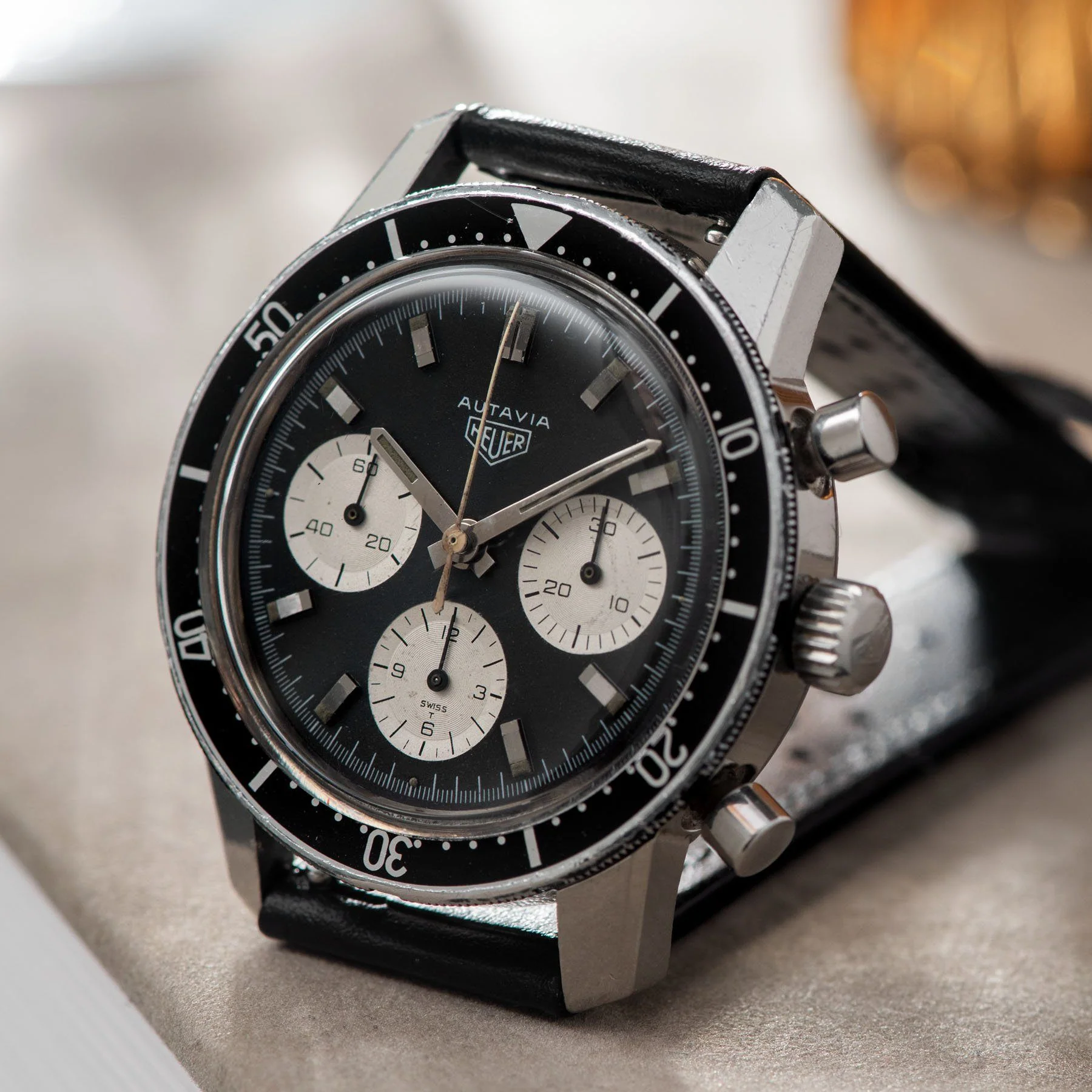
5. Heuer Autavia (Compressor Case / Ref. 2446, 3646, 1163)
Pic: Bulang and Sons
Price range: €4,500 to €12,000 depending on variant and condition
Before TAG. Before LVMH. Before the Monaco. Heuer focused on one thing: tool chronographs. The Autavia was the brand’s first named wristwatch model, launched in 1962 and derived from Heuer’s dashboard timers for automobiles and aviation. It was a motorsport chronograph that predated the Daytona and came in more configurations than almost any rival.
While early screw-back 2446 models with big subdials and Valjoux 72 movements have already seen significant appreciation, later compressor-case variants, manual-wind GMTs, and automatic 1163 models still offer excellent value.
Why it’s underrated:
- The Autavia line is incredibly diverse, with multiple case shapes, bezels, and movement types.
- Despite its strong heritage and wearability, it still trades below Rolex and Omega equivalents.
- There is increasing interest in 1960s and 1970s chronographs, and the Autavia is positioned to benefit from that momentum.
Prices for a clean Viceroy 1163 start under €5,000. More collectible early variants with original bezels and unpolished cases tend to command €8,000 to €12,000. Given the quality and history, these are still overlooked gems.
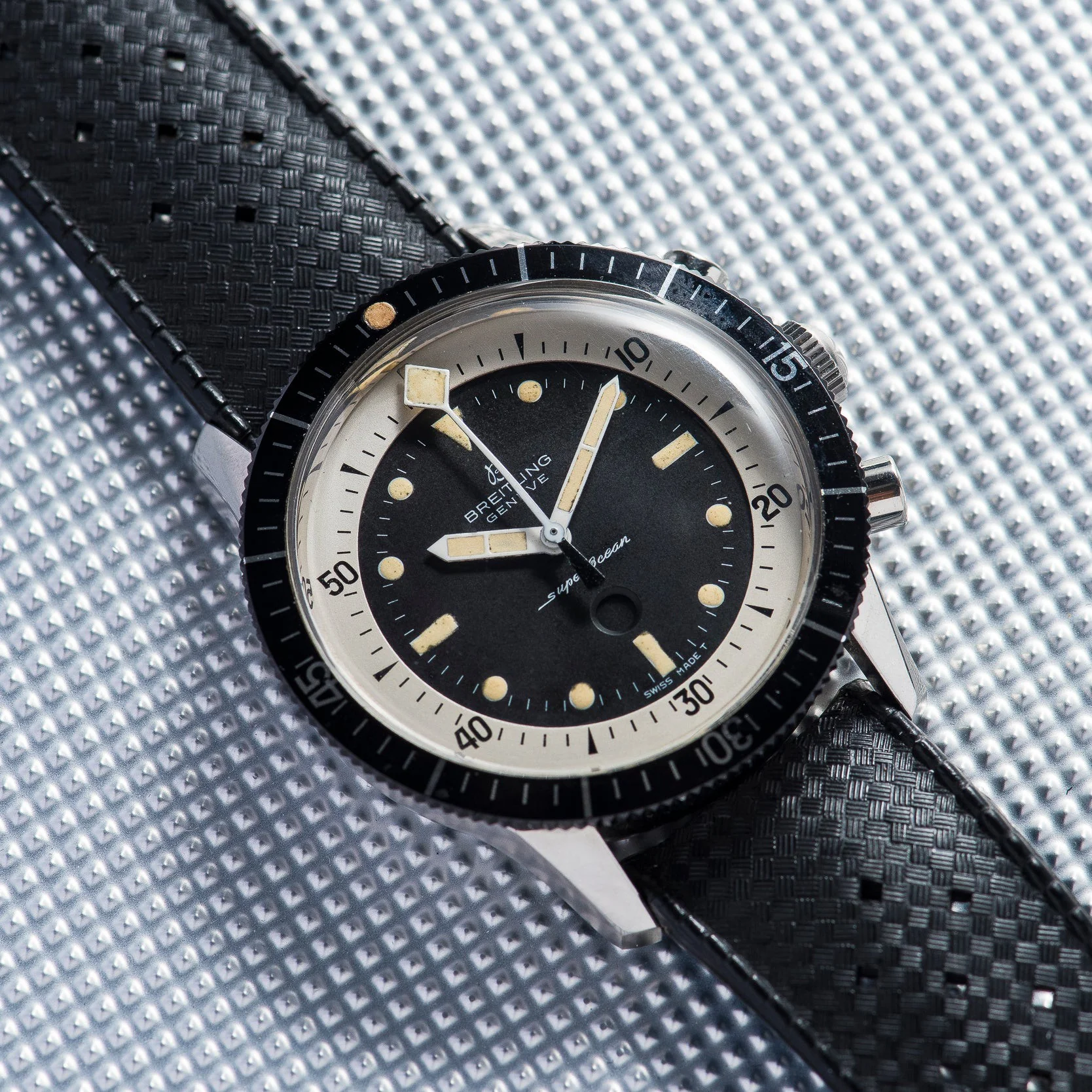
4. Breitling Slow Chronograph (SuperOcean 2005)
Pic: Analog:Shift
Price range: €6,000 to €10,000
Yes, this is a slow chronograph. The Breitling SuperOcean 2005 is one of the most unusual chronographs ever made, and few collectors outside of the hardcore circles know it exists.
Released in the mid-1960s, the reference 2005 used a modified Venus 188 movement that removed standard minute and hour subdials. Instead, it featured a large central chronograph hand that made one full rotation every hour, along with a running indicator at six o’clock that changed color to show whether the chronograph was activated.
This was not a gimmick. It was designed for decompression divers who needed to track elapsed dive time in minutes and hours, not seconds.
Why it’s underrated:
- Functionally brilliant and visually unique.
- Fewer than 1,000 examples were produced.
- Still largely unknown to the broader market despite its rarity and design originality.
Well-worn examples typically trade for around €6,000. Exceptionally clean pieces with correct hands and bezels can reach up to €10,000. As interest in 20th-century dive watches continues to rise, this reference is likely to get more attention.
3. Omega Seamaster 600 Ploprof (Ref. 166.077)
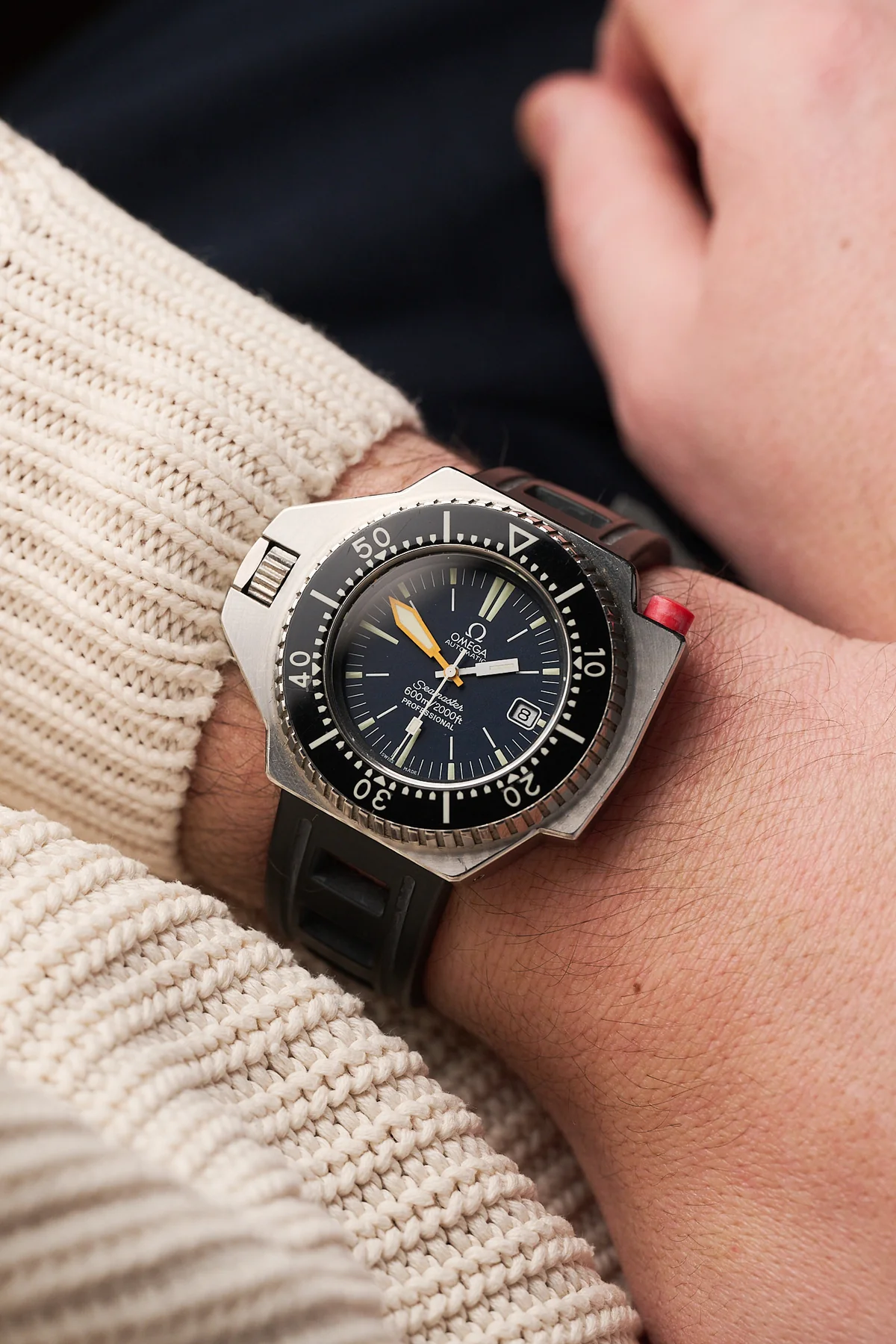
Pic: Fathom Watches
Price range: €5,500 to €9,000

To the uninitiated, the Ploprof looks like a steel brick on a bracelet. But to collectors of serious dive tools, it is one of the most technically impressive watches Omega ever built.
Ploprof is short for Plongeur Professionnel, or “professional diver.” This was Omega’s answer to the helium escape valve pioneered by Rolex. Instead of adding a valve, Omega built a case so secure that helium could not enter at all. The monobloc case was milled from a single block of steel, the bezel had a red locking pusher, and the crown was protected by an integrated guard system. Water resistance was rated to 600 meters and field tested by COMEX and French naval divers.
Why it’s underrated:
- A significant piece of dive watch history and Omega engineering.
- Much rarer than a Submariner, but generally more affordable.
- Its large size and unconventional shape have kept mass-market appeal low, preserving collector value.
Good examples start at around €5,500. Models with original mesh bracelets, clean bezels, and correct dials often command closer to €9,000. Avoid aftermarket parts and service dials unless priced accordingly.
2. Zenith A277 Sub-Sea Chronograph
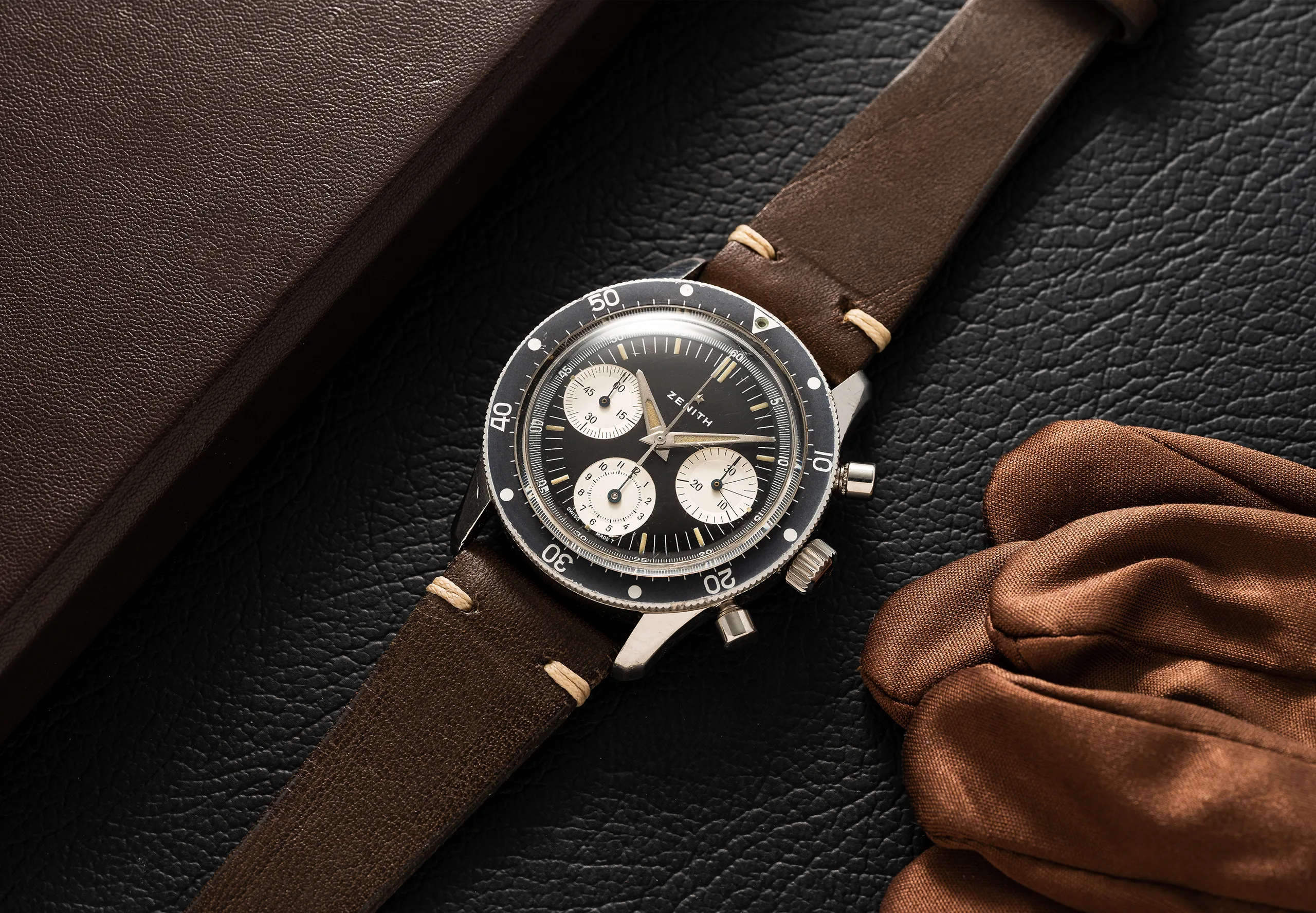
Pic: Watches of Knightsbridge
Price range: €3,000 to €6,000
Zenith is usually associated with the El Primero, but before that automatic icon came the A277. This manually wound three-register chronograph is a sleeper from the 1960s, and one of the most balanced and versatile chronographs of the decade.
Powered by the Zenith 146HP, which shares architecture with Martel chronograph movements, the A277 had a stainless 38mm case, rotating dive bezel, bold lume plots, and a beautifully legible dial. It was a true diver’s chronograph, but with an understated elegance that makes it highly wearable today.
Why it’s underrated:
- Rarely discussed outside niche collector circles.
- Excellent proportions and movement pedigree.
- Connects the era of mid-century elegance with the tool-focused 1970s.
Examples in original condition typically trade for €4,000 to €5,000. Lesser examples with replacement parts or wear issues can go for closer to €3,000. Given the resurgence of interest in pre-El Primero Zenith watches, this one feels like a smart pickup.
1. Blancpain Villeret (Manual-Wind, Early 1980s)
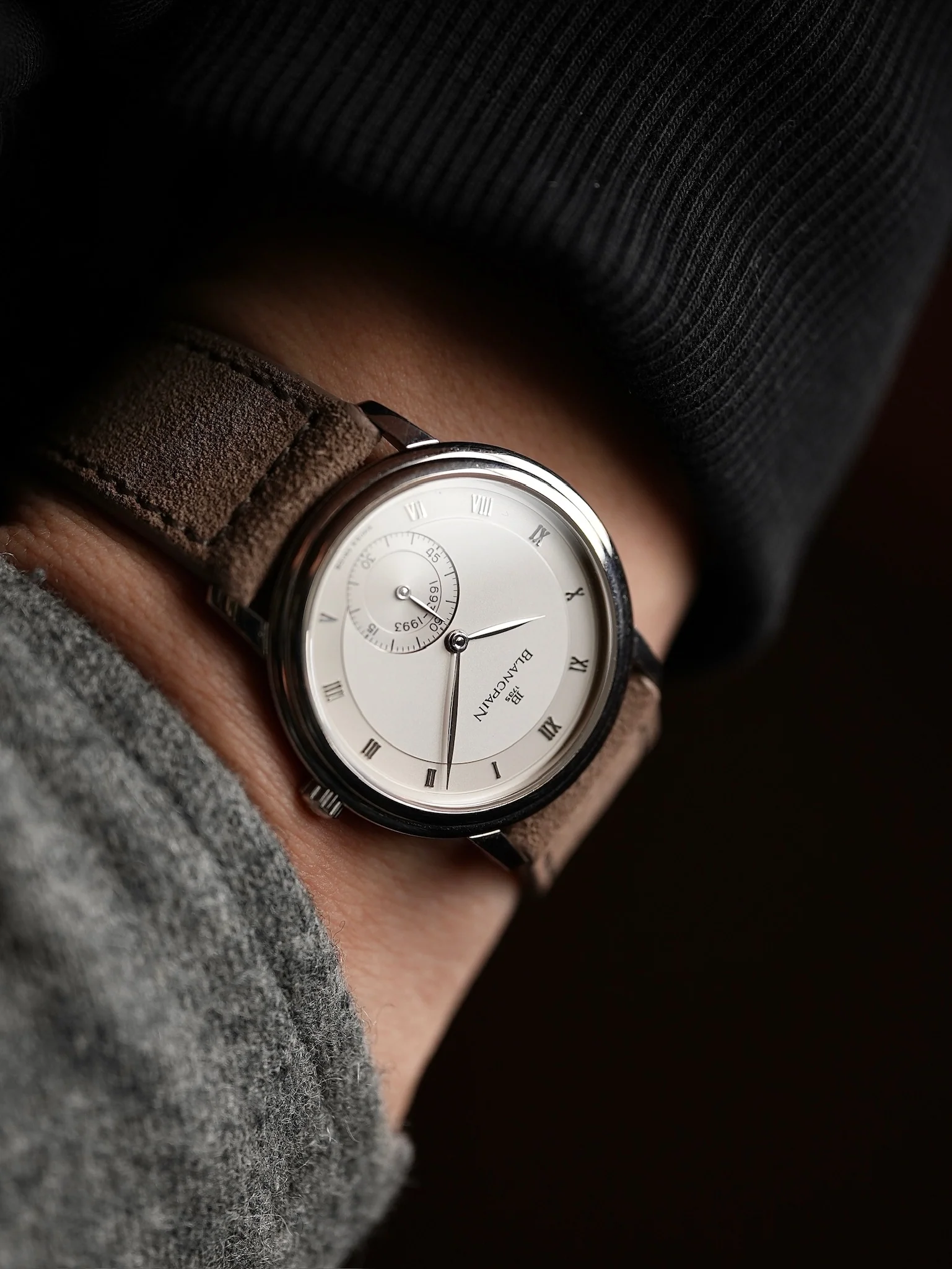
Pic: C4C Vintage Watches
Price range: €2,000 to €3,500
Today, Blancpain is known for ultra-complicated dress watches and the Fifty Fathoms diver. But in the early 1980s, the Villeret line represented the brand’s quiet renaissance. After being revived by Jean-Claude Biver, Blancpain committed to building only mechanical watches, and the early Villerets reflect that philosophy in its purest form.
These were thin, manually wound watches with Roman numeral dials and precious metal cases. The movements were often based on F. Piguet ébauches, with excellent finishing and reliable performance. They were designed to be elegant, traditional, and uncompromisingly mechanical during a time when most of the industry had gone quartz.
Why it’s underrated:
- Built in small quantities during an important era for the brand.
- Offers high-end finishing and classical design at a fraction of modern prices.
- Represents one of the few true mechanical rebirths of the 1980s.
You can still find yellow or white gold manual-wind Villerets under €3,000. Rarer steel models and full sets may command up to €3,500. These watches offer discreet luxury and excellent quality for collectors who value substance over status.
Final Thoughts
Each of these watches has a compelling story. They were created for specific purposes or during important transitional moments in watchmaking history. They have not yet become mainstream darlings, which means prices remain reasonable, and originality is still available if you are patient.
Collectors often say that the best time to buy was yesterday. But the second-best time is today before everyone else catches on. Whether you are looking for technical bravado, unusual chronograph design, or neo-vintage elegance, these five watches have something to offer.
They are not hype watches. They are not crowd-pleasers. But they might just be the most interesting watches you will ever own.